
Women’s Legal Standing Across Ancient Societies
The Second SexThis thread traces how women’s rights shifted across ancient societies as inheritance, property, and family structures changed, while male authority remained durable.
increasing Bearing strength in each event
 decreasing
Bearing strength in each eventdecreasingMaternal Lineage and Land
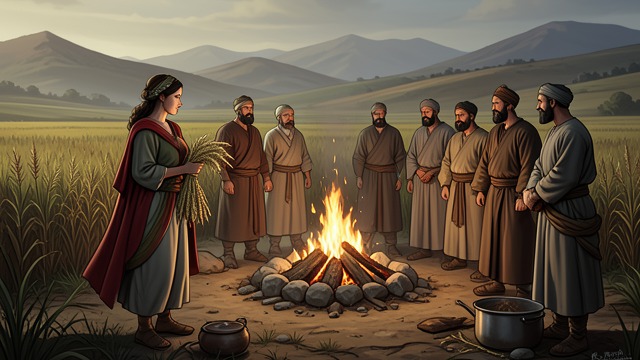
Land, Lineage, and Maternal Authority
A changing social order
As communities settled and cultivated land, children and inheritance acquired new importance. In some societies, descent and rights to communal land passed through women, and motherhood carried religious and economic prestige.
Authority without equality
This position did not make women sovereign. Men generally retained political authority, and women’s status remained bound to kinship and residence. The distinction matters: maternal lineage could grant women recognized standing without giving them independent power over the social order.
The Greek Household

Guardianship and Public Life
Confinement within the household
In classical Greek society, women’s legal and public position was sharply restricted. In Athens, a woman remained under a male guardian, and marriage connected her to a family whose property and decisions were controlled by men.
Exceptions at the margins
A dowry offered some protection if a marriage ended, but it did not establish equal rights. Women who lived outside conventional family roles could sometimes gain greater freedom, yet their exceptional position underscored how little autonomy ordinary wives possessed.
Roman Rights and Restrictions
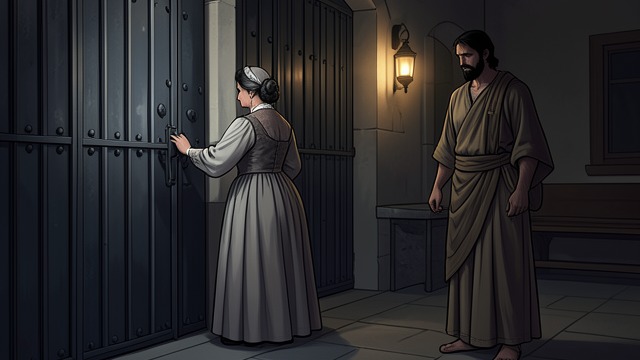
A Shifting Legal Position
Family authority and public respect
Roman women were formally restricted by guardianship and family authority, yet many were visible within household and civic life. A matron could exercise practical influence at home even while her legal autonomy remained limited.
State power and legal change
As public authority expanded, women gradually gained rights involving inheritance, property, children, and divorce. These changes were uneven: new legal capacities did not automatically provide political power or a meaningful way to use economic independence.
The Egyptian Exception
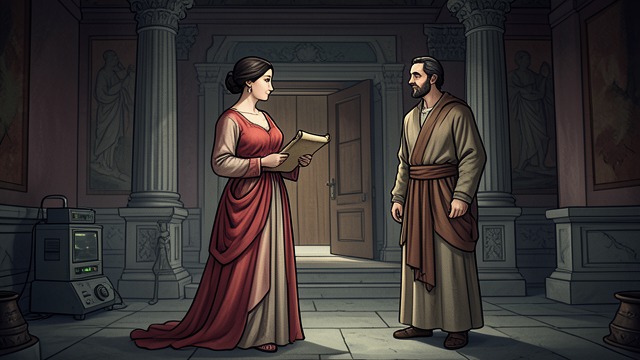
Property and Personal Status
Rights supported by inheritance
In ancient Egypt, women could own and inherit property and had notable legal capacities compared with women in many other societies. Marriage could take a contractual form, and a wife might retain property and have recourse in cases of divorce.
Privilege within hierarchy
This relative advantage did not extend to full social equality. Public authority remained largely male, and women’s favorable legal position depended in part on specific property arrangements. The example shows how economic structures could alter women’s status without eliminating male dominance.
The Roman Matron’s Uneven Freedom

Independence Without a Public Role
Practical influence
As the Roman family and state changed, women could gain control over property, seek divorce, and claim rights concerning their children. Some matrons became respected partners in household life and wielded influence beyond it.
The limits of emancipation
Legal gains did not create a corresponding field of public action. Women could be economically independent in principle yet remain excluded from political power and recognized occupations. Beauvoir presents this as a recurring pattern: rights without practical opportunities can leave freedom largely formal.
Early settled agricultural societies
Classical antiquity
Roman Republic through the late Roman Empire
Ancient Egypt, during the eras discussed in the history survey
Late Republic through the late 1st and early 2nd centuries CE
